RESPIRATION RATE
April 1, 2025
It is the number of breaths you take per minute. The respiration process supplies oxygen to the circulatory system and therefore to our body.
The normal respiration rate in adults (>18 years) is 12-20 breaths per minute, but it changes as the human gets older.
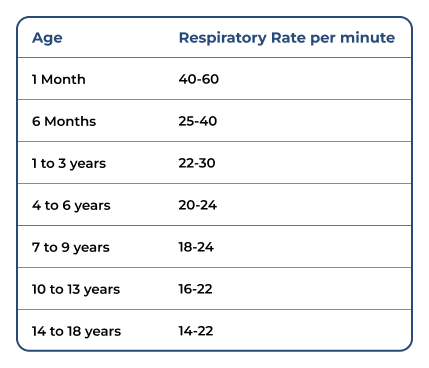
A rate lower than this is called bradypnea, while a higher rate is referred to as tachypnea.
How to measure my Respiration Rate?
It is best to measure your breathing rate when you are relaxed and calm. Simply set a timer for one minute and count how many breaths you take during that time.
Alternatively, you can use a monitor or a specialized device for a faster and more accurate measurement.
If you would like to know more about a device to measure your respiration rate and more, click on the link below.
WHAT IF MY BREATHING IS LOW?
Bradypnea:
As has been mentioned before, it is when the respiration rate is below the normal range (see Figure 1.1). This means that your body is not getting enough oxygen, and it could indicate a health condition.
Possible causes:
- Hypothyroidism can affect your breathing and metabolism, potentially slowing them down.
- Head injuries: The lower brainstem and your spinal cord control your breathing. If either is damaged, your lungs and breathing muscles might not receive the signals they need to work properly.
- Medication like opioids: often used to treat pain, can slow your breathing as a side effect. They do this by interfering with receptors that regulate the respiratory system.
- Excessive Alcohol consumption can lower your breathing rate, especially when overdone.
- Electrolyte Imbalances (potassium, magnesium, calcium principally) caused by issues like dehydration, diabetes, or kidney failure, can also affect your respiratory system.
- Lung conditions like infections,severe asthma, chronic bronchitis, etc.
Symptoms:
It can vary depending on the severity of the apnea
- Weakness
- Dizziness
- Headaches.
- Memory issues
- Fatigue
- Vomiting
- Respiratory failure and death are severe cases
Tachypnea:
When the breathing rate exceeds the normal range, it is called tachypnea. This condition can have various causes, with the most common sensation being a feeling of shortness of breath.
During physical activity, your breathing rate will naturally increase but should return to normal as you rest. If you don’t experience a feeling of suffocation or difficulty breathing, there’s usually no cause for concern. However, if you do feel short of breath and notice experiencing additional symptoms like vomiting, or blurry vision, it’s important to seek medical advice.
Possible Causes:
- Anxiety or Panic Attack
- Asthma
- Diabetes
- Infections (e.g. pneumonia)
- Allergies
- COPD (Chronic obstructive pulmonary).
Signs that could be presented are:
- Chest Pain
- Difficulty breathing.
- Shortness of breath.
- Changes on your skin color, nails, and lips either gray or blue.
Treatment:
Your healthcare provider will determine the best treatment for bradypnea or Tachypnea based on their underlying cause.
To conclude, monitoring respiration rate is essential, especially for seniors, as breathing patterns change with age. A rate that is too fast or too slow can signal health concerns like infections, lung conditions, or metabolic issues. Caregivers and family members should remain watchful and consult a doctor if there are sudden changes in breathing or any unexpected symptoms. If you or a family member experiences difficulty breathing, call 911 or go to the emergency room immediately.
**The content on this site, regardless of its date, is not intended to replace direct medical advice from your doctor or another qualified healthcare professional**